What Grading Is And Why It Matters
Create The Right Slopes For Long-Term Performance
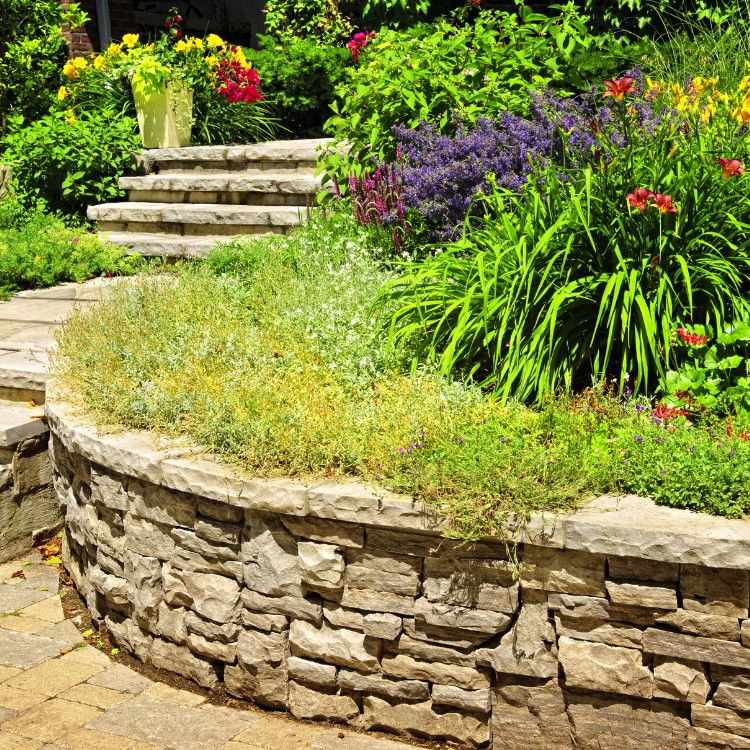
Grading is the process of shaping and leveling soil to establish correct elevations and slopes for a property. Done properly, it supports safe water runoff, protects structures, and creates stable, usable areas for building, paving, lawns, and landscaping. A well-graded site reduces standing water, helps prevent erosion, and supports the performance of drainage features such as swales, berms, and downspout outlets.
Grading is also a key step for construction readiness. It helps ensure foundations and flatwork are placed on properly prepared subgrade, minimizes future settlement, and reduces the likelihood of costly rework. Whether the goal is final finish grading for a yard or rough grading for a larger project, accurate grade control is the difference between a site that performs well and one that continually needs fixes.
Planning, Precision, And Clean Execution
Leadwood Design approaches grading as a measured, step-by-step service focused on outcomes: correct elevations, reliable drainage, and a stable base. The process typically begins with understanding project goals, reviewing any available plans, and identifying problem areas such as low spots, negative slope toward structures, or areas prone to washouts. From there, the scope may include rough shaping, import or export of soil, and final finish grading for smooth transitions.
Precision matters in grading because small elevation changes can dramatically affect drainage. Our team focuses on consistent slope creation, proper tie-ins to adjacent surfaces, and thoughtful transitions around structures, walkways, and landscape features. Throughout the work, we aim to maintain a clean site, protect surrounding areas where practical, and leave surfaces prepared for the next stage such as sod, seed, planting, gravel, or hardscape installation.
Solutions For Drainage, Stability, And Usability
Grading needs vary widely by property and intended use, but many projects share the same objective: move water away from structures and create functional, stable ground. Typical requests include correcting drainage in yards, restoring grade after utility work, preparing pads for sheds or other small structures, or shaping areas for patios, walkways, and drive approaches. Grading can also support landscape upgrades by creating smooth lawn contours and defined planting zones.
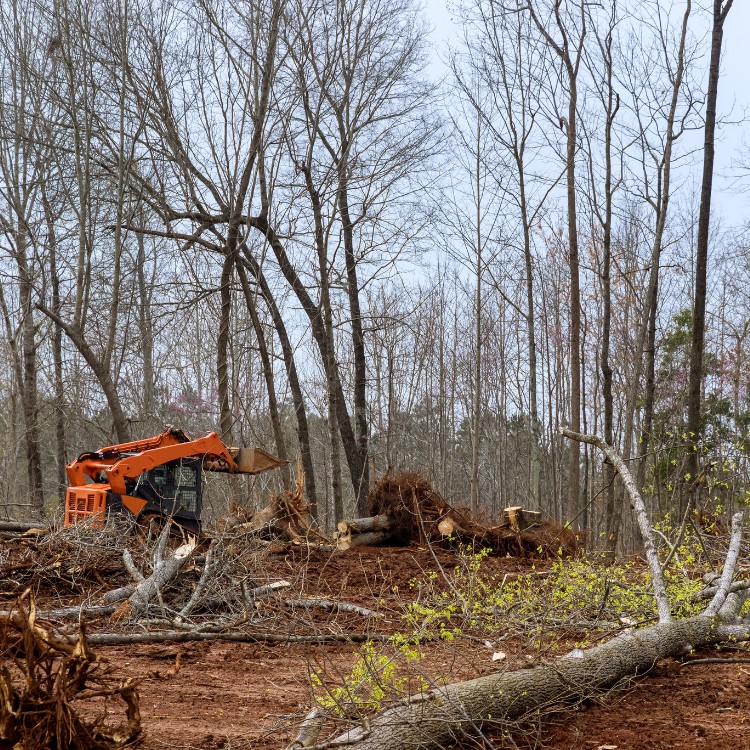
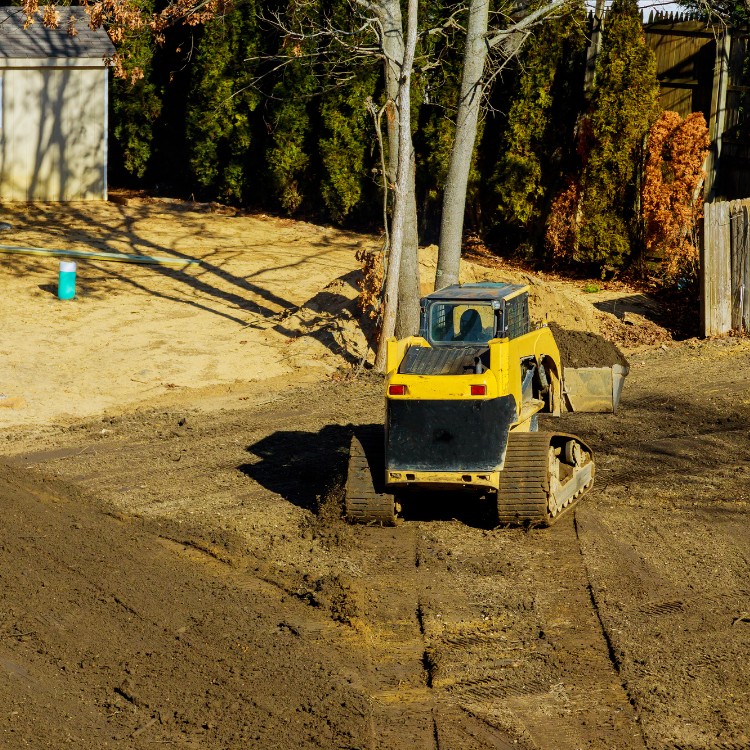
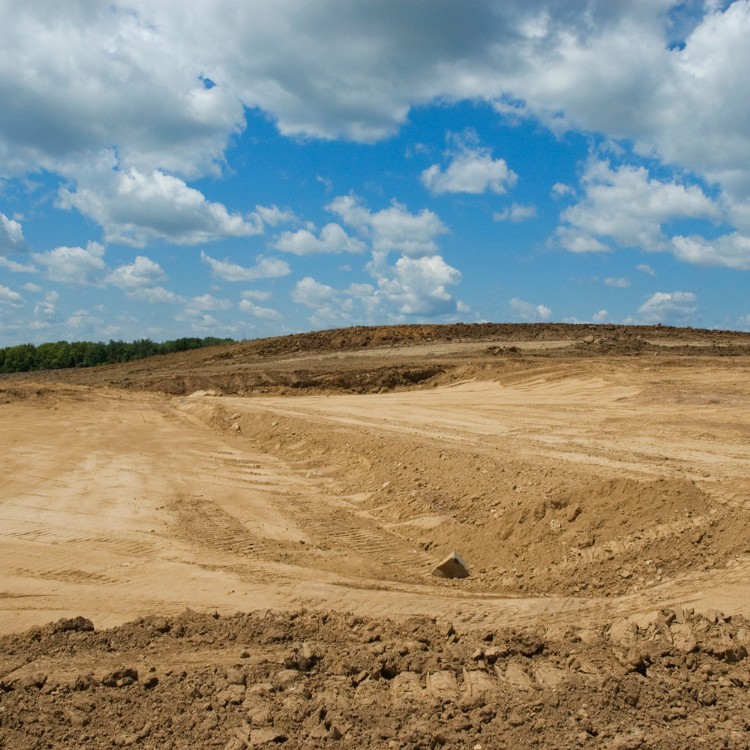
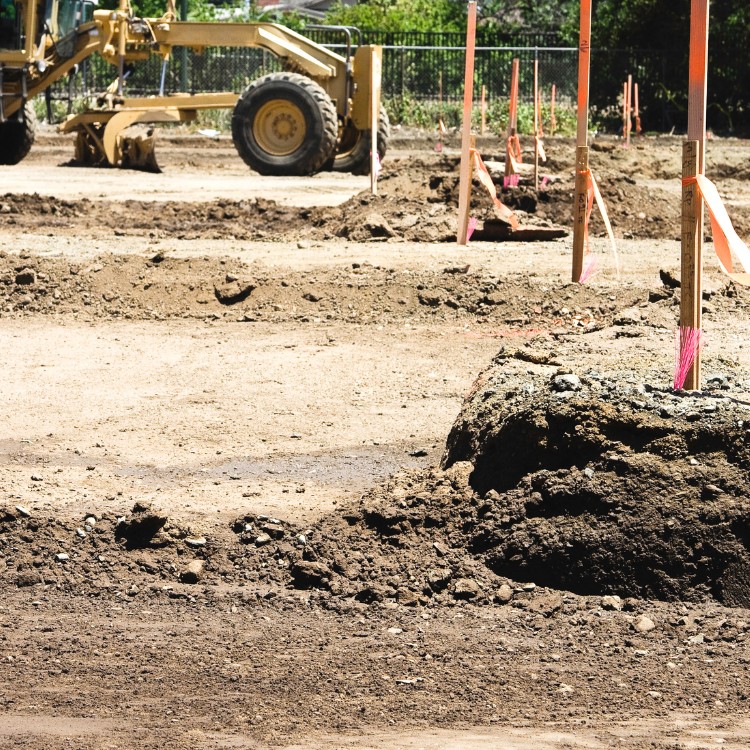
Rough grading focuses on establishing major elevations and preparing the site for construction activities. This may include cutting high areas, filling low areas, and setting broad slopes so the project drains properly. Finish grading follows to refine the surface, remove irregularities, and create a consistent plane suitable for topsoil placement and final landscaping.
When soil conditions or water behavior are challenging, grading may be paired with additional measures such as swales, berms, or targeted drainage pathways to manage runoff. While every property is different, the guiding principle is the same: create predictable water movement, reduce erosion risk, and provide a stable base that supports the intended use of the space.
Talk with an Expert
Start your service request today!

Family Owned & Operated
Building lasting relationships through personalized service and generations of expertise.
Licensed & Insured
Professional protection for your complete peace of mind.
Free Estimates
Clear pricing before the first line is drawn.