Land Clearing For Safer, Build-Ready Property
Remove Vegetation And Obstacles Without Delays
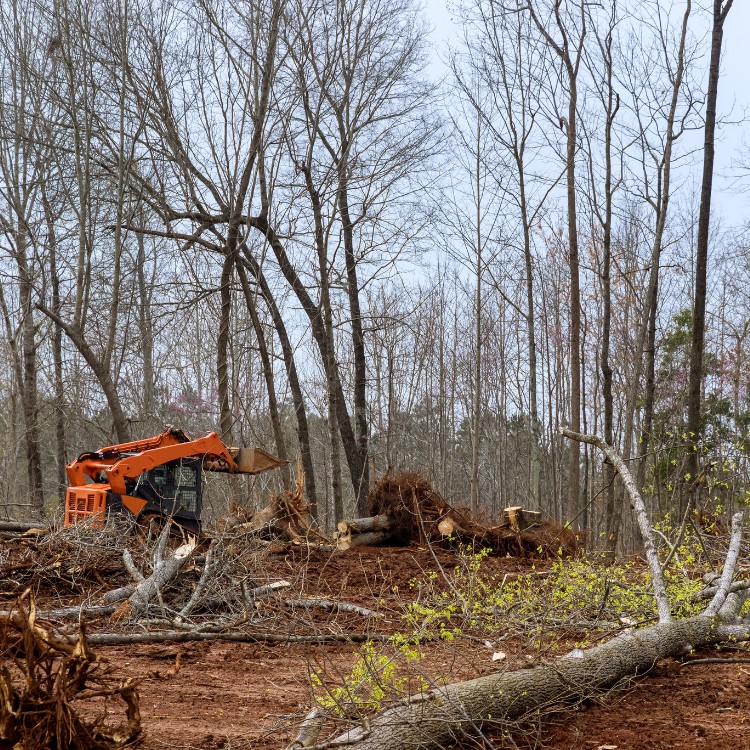
Land clearing is the first step to turning overgrown or unusable property into a safe, accessible, and build-ready site. Whether you’re preparing for a home build, expanding a yard, opening a driveway, or reclaiming acreage, proper clearing removes brush, trees, stumps, and surface debris that can block construction, invite pests, and create fire or safety hazards.
Leadwood Design provides land clearing services focused on efficiency, safety, and site preservation. The goal is not just to “knock it down,” but to clear with a plan: protect areas that should remain, maintain stable soils where possible, and leave the property clean and workable for the next phase—such as grading, excavation, utility installation, or landscaping.
A Complete Approach From Assessment To Cleanup
A successful clearing project starts with understanding the intended use of the land. We assess access points, vegetation density, terrain, drainage patterns, and any areas to avoid. From there, we determine the most effective method for cutting and removing brush and trees, handling stumps, and preparing surfaces for the next trade or scope of work.
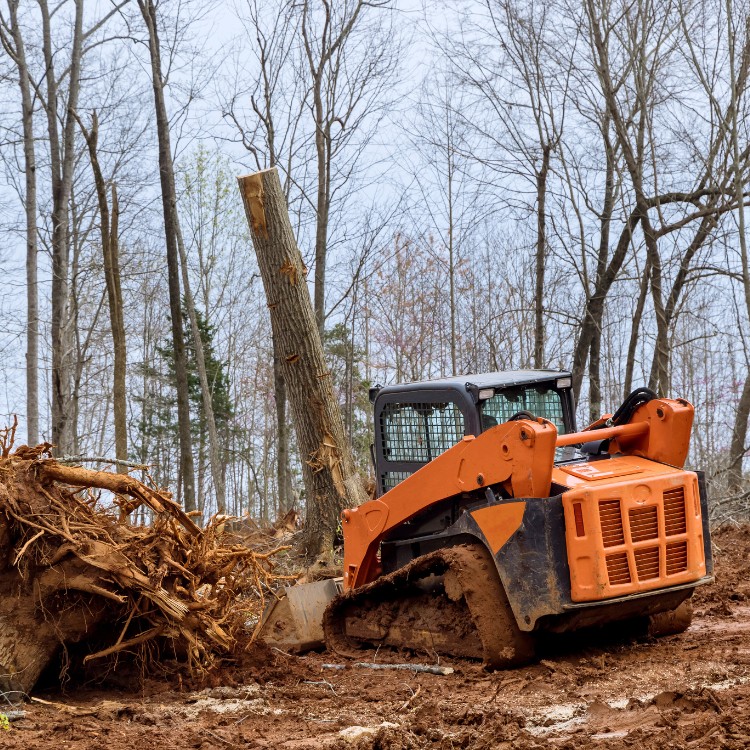
Our land clearing service commonly includes selective clearing or full clearing, brush cutting and removal, tree removal coordination as needed, stump management, surface debris cleanup, and hauling or on-site processing when appropriate. We can also prepare rough access routes and staging areas so equipment and materials can move safely across the property during construction.
Right-Sized Solutions For Your Site Conditions
Every property is different, so the best clearing method depends on vegetation type, soil conditions, slope, and the final plan for the land. Light brush may require a different approach than dense woodland, invasive growth, or storm-damaged areas. Choosing the correct method helps control costs, reduces unnecessary disturbance, and keeps the schedule on track.
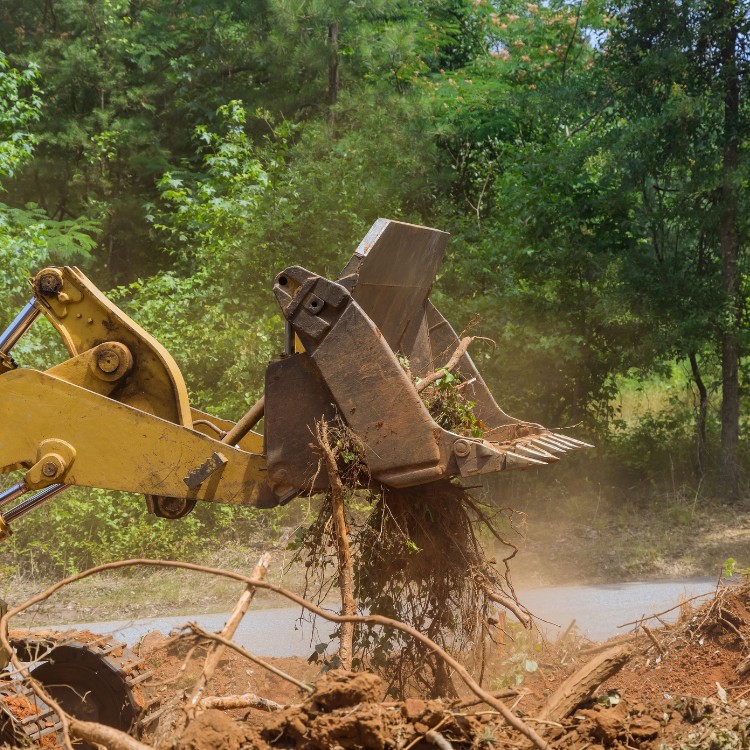
We may use mechanical clearing, selective removal, or controlled processing of vegetation depending on site goals. For example, selective clearing can preserve healthy trees and establish usable boundaries, while full clearing can open a footprint for building pads, barns, or expansions. Proper staging and access planning also minimize rutting and reduce the chance of compacting areas that will later need drainage performance.
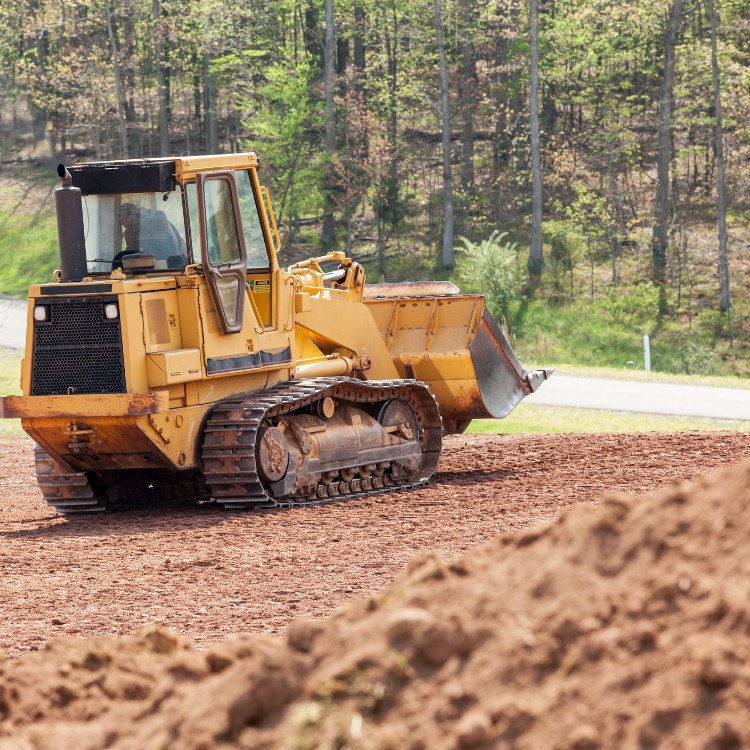
After clearing, the site should be left safer and easier to work on. That means addressing remaining surface hazards like hidden stumps, scattered limbs, and uneven debris piles. Clean, orderly results help follow-on work—such as grading, fencing, utilities, or landscaping—start faster and proceed with fewer surprises.
Talk with an Expert
Start your service request today!

Land Clearing In Madison: What To Expect
A Clear Process From Estimate To Final Walkthrough
Family Owned & Operated
Building lasting relationships through personalized service and generations of expertise.
Licensed & Insured
Professional protection for your complete peace of mind.
Free Estimates
Clear pricing before the first line is drawn.