What Hardscaping Includes
Outdoor Structures That Add Function And Value
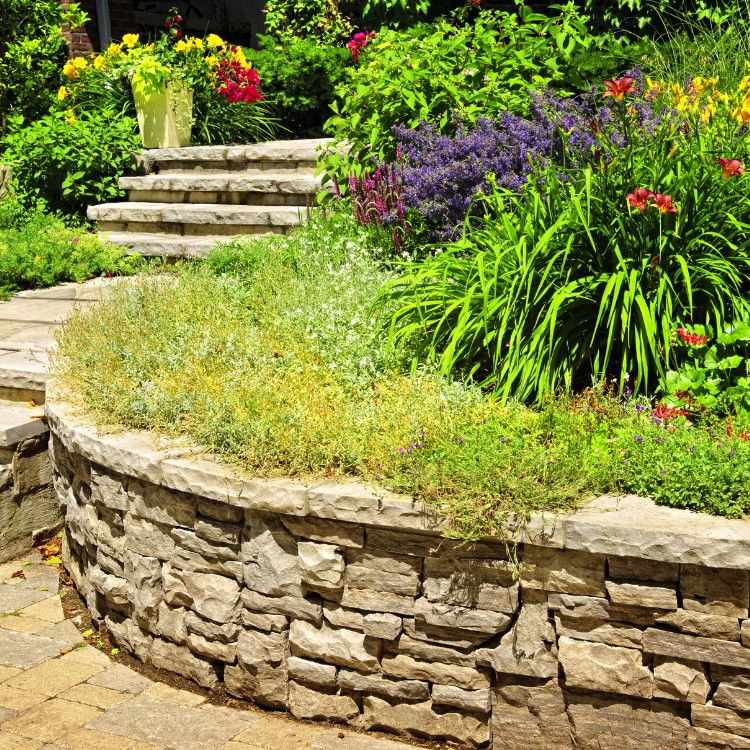
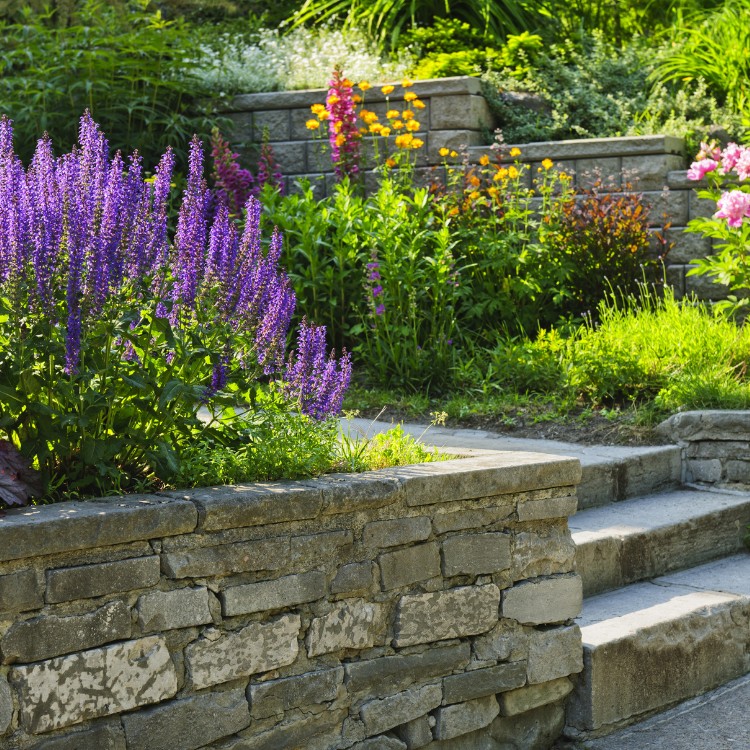
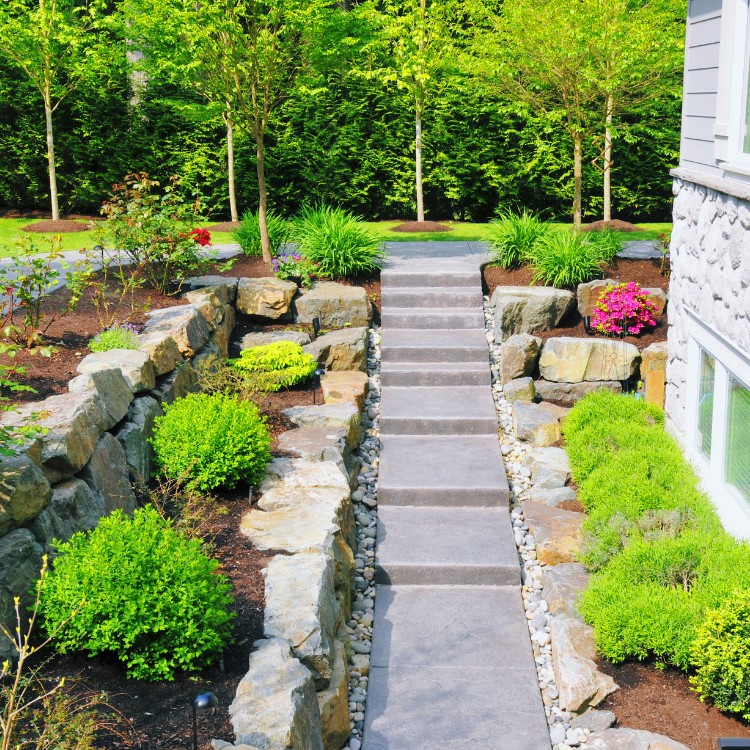
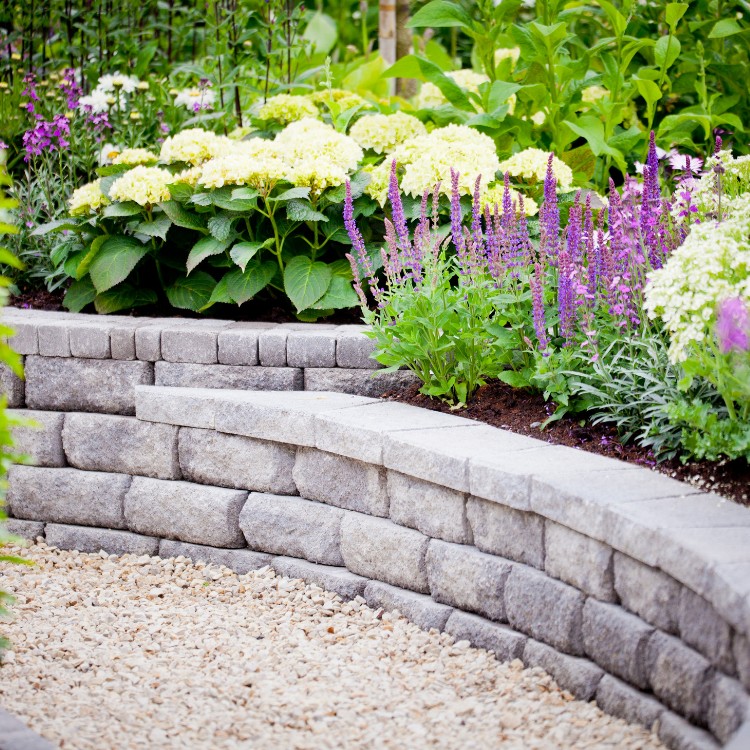
Hardscaping is the construction of permanent, non-living landscape features that create usable outdoor space and improve property performance. Common elements include paver or natural stone patios, walkways, steps, landings, retaining and seat walls, edging, raised planters, fire pit areas, outdoor kitchens, and built-in seating. These features work together to define zones for dining, entertaining, and circulation while controlling grades and reducing soil erosion.
At Leadwood Design, hardscaping is approached as a complete system rather than a single installation. Materials, base preparation, drainage, and layout are coordinated so surfaces stay level, water moves away from structures, and the final result looks intentional from every angle. Whether the goal is a small entry walk or a full outdoor living environment, a well-designed hardscape provides long-term durability, easier maintenance, and a more polished property appearance.
From Site Conditions To A Buildable Layout
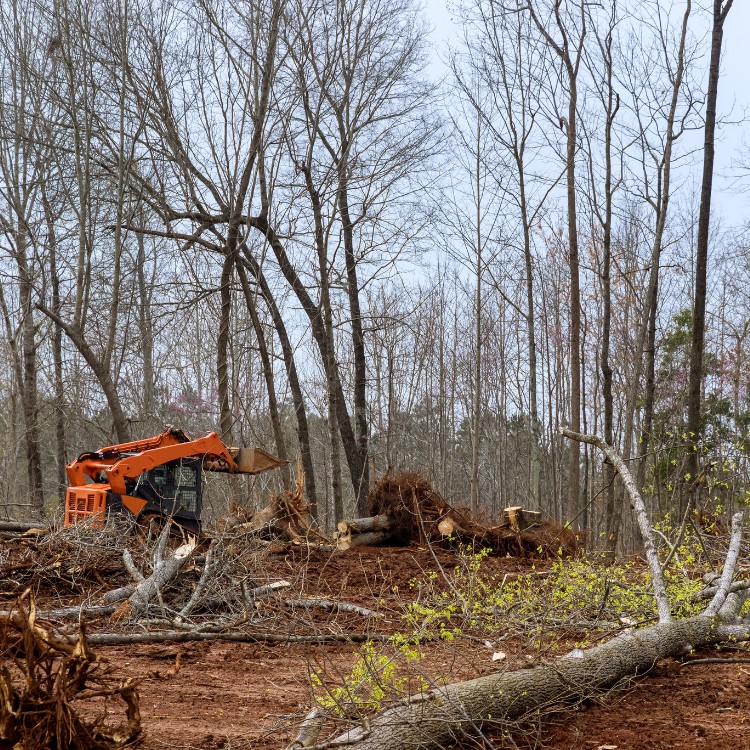
A successful hardscape starts with careful planning that translates your goals into a buildable design. The process typically includes evaluating slope and drainage patterns, locating utilities and property boundaries, identifying access for equipment, and deciding how the space should function day to day. Layout decisions such as step count, landing sizes, traffic flow, and sightlines ensure the finished project feels comfortable, safe, and proportional to the home.
Material selection is part of the planning stage, not an afterthought. Paver shapes, stone textures, coping and cap choices, jointing methods, and border details all affect performance and style. We help you compare options based on durability, slip resistance, heat retention, maintenance needs, and how well each material complements existing architecture so the design looks cohesive and holds up over time.
Base Prep, Drainage, And Structural Integrity
Hardscapes last when they are built on a stable foundation. Proper excavation depth, compacted aggregate base, and a consistent bedding layer prevent settling, shifting, and uneven surfaces. For pavers, edge restraints and correct joint sand selection help lock units in place, while careful grading ensures water does not pool on patios or walkways.
Drainage is essential to protecting both the hardscape and nearby structures. Solutions may include permeable paver systems, subsurface drain lines, channel drains, swales, and correctly pitched surfaces that direct runoff away from foundations. Managing water at the outset reduces freeze-thaw stress, limits erosion, and keeps outdoor spaces usable after storms.
Retaining walls and raised features require additional engineering considerations. Wall height, soil type, compaction, geogrid reinforcement, backfill drainage stone, and weep outlet placement all influence stability. Building these elements to correct specifications reduces the risk of leaning, cracking, or washout and ensures the wall performs as intended for many years.
Talk with an Expert
Start your service request today!

Family Owned & Operated
Building lasting relationships through personalized service and generations of expertise.
Licensed & Insured
Professional protection for your complete peace of mind.
Free Estimates
Clear pricing before the first line is drawn.